Leather car seats are a luxurious addition to any vehicle, offering comfort and style. However, to keep leather looking and durable, careful treatment is needed. Leather seats may dry up, fracture, and lose shine without consistent cleaning and preservation. This tutorial will walk you through efficient cleaning and preservation techniques to maintain fresh and new-looking leather vehicle seats.
Why Proper Leather Care Is Important
One naturally occurring material that may absorb stains, oils, and filth is leather. It might lose its gloss over time, break, or perhaps get discolored without regular cleaning. Leather automobile seats are particularly sensitive to sun damage, spills, and wear and tear from frequent usage.
Spending some effort to clean and preserve your leather seats guarantees they will stay in great shape for much longer. It also guarantees a more pleasant driving experience and helps preserve your car’s resale value.
The Tools You’ll Need for Leather Seat Care
To guarantee a complete and safe cleaning operation, compile the following equipment and supplies before you start:
Soft microfiber cloths: These soft microfibre towels assist you in cleaning and polishing leather without harming it.
Leather cleaner: A particularly designed cleaner for leather that removes dirt and oils without strong chemicals is leather cleaning.
Leather conditioner: Applied after washing to moisturize and soften the leather is leather conditioner.
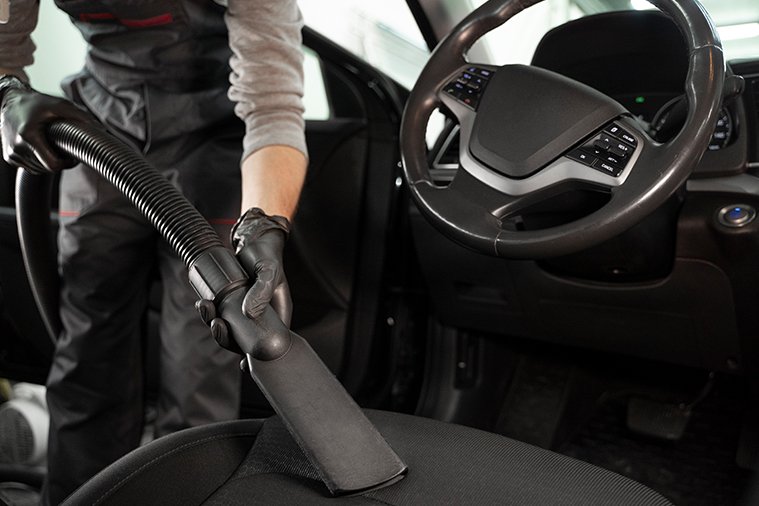
Vacuum cleaner with upholstery attachment: Vacuum cleaner with upholstery attachment can help you clear dirt and trash from your car seat crevices.
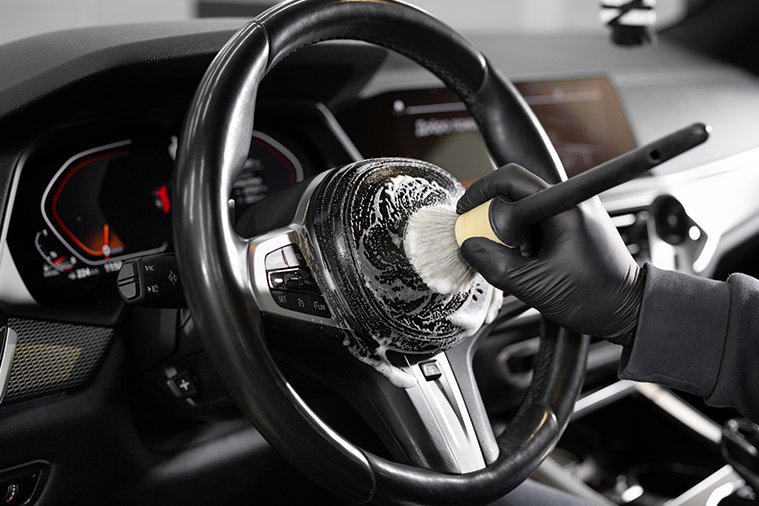
Soft-bristle brush: For light agitation of dirt and dust on the surface of leather.
Distilled water: It can be used as a rinse or in concert with your cleaning agents.
Step-by-Step Guide to Cleaning Leather Car Seats
Clear dirt and trash.
Eliminating dirt and trash from the surface comes first when cleaning leather vehicle seats. To guarantee that no dust, grime, or crumbs remain behind, vacuum the seats using the upholstery attachment. Look at the seams as dirt sometimes gathers in these places.
Verify Your Leather Cleaner
Do a spot test on a tiny, inconspicuous section of the seat before treating any cleaning to your leather. This guarantees the cleaner won’t damage or discolor the leather.
Apply the Leather Cleaner
To prevent oversaturating the surface, spray the leather cleaner—not straight on the seat—onto a fresh microfiber cloth.
In little parts, gently wipe the cleaner on the leather. Steer clear of using too much; a little goes a lot.
To gently clean difficult stains, brush the area with a soft-bristle broom. Steer clear of scrubbing too vigorously to avoid leather damage.
Wipe off Extra Cleaner
After the seats are spotless, wipe off any extra cleaning with a fresh microfiber towel. Make sure the leather surface is dry but not too polished.
Leather’s Condition
Leather needs moisture to keep from drying out once it’s cleaned. Restore the material’s hydration and elasticity with a leather conditioner.
On a microfiber cloth, dab a little conditioner.
Work it softly in circles on the leather.
Before buffing with a fresh towel, let the conditioner absorb for at least fifteen minutes.
Dry and Buff the Leather
Buff the leather carefully with a dry, soft microfiber towel once the conditioner has absorbed. This technique helps restore gloss and suppleness and eliminates any extra conditioner.
Leather Car Seat Protection: Methods
Correct protection shields your leather seats from dirt, stains, and sun damage. These tips will help your chairs seem fresh for longer:
Spray a leather protector.
A leather protection spray can help form a barrier against spills and stains once you have conditioned. These sprays’ thin protective layer over the leather increases its liquid resistance.
Select a spray intended especially for vehicle leather seats.
Under label directions, apply a thin, even coat.
Sit on the chairs when the spray has completely dried.
Keep Your Vehicle Undercover
Too much direct sunlight could degrade and split leather. Try parking in shaded sections or use a sunshade for your windscreen. This keeps your leather seats looking brand-new and helps minimize UV damage.
Consistent Conditioning and Cleaning
Protection of your leather seats depends on conditioning them, just as with regular washing. At least every three to six months, it’s advised to clean and condition your seats. You might wish to do this more often if you reside in a region experiencing severe weather.
Steer Clear Strong Chemicals
Steer clear of damaging your leather seats with strong solvents such as bleach or home cleaners. These can cause browning and cracking and rob the leather of its natural oils. Goods designed especially for leather maintenance are always used.
Additional Tips for Maintaining Leather Seats
Remove spills immediately: Right away, wipe any spills you make on your leather seats to avoid stains.
Use seat covers: If you regularly travel with children or dogs, consider using premium leather seat covers for additional protection.
Vacuum regularly: Vacuuming your chairs often can help to keep them neat. If not cleaned, dirt and trash can eventually wear down the leather.
Wrap Up
Simple cleaning and protection of leather car seats can assist in increasing the lifetime of your vehicle’s interior. Regular cleaning, conditioning, and correct protection can help your leather seats seem as new. Investing in appropriate maintenance guarantees comfort throughout your trips, preserves the value of your automobile, and not just keeps your seats beautiful.
Your leather vehicle seats will remain soft, glossy, and durable for years to come by using these guidelines and include routine maintenance. Thus, remember these ideas the next time you see your leather seats gathering dirt or dust to help them become more comfortable and brilliant.